Guides · New Port Richey, Florida
New Port Richey by the Numbers: What the Census Says
The numbers arrive with a shrug, but they tell a story of a town that outlived its own ambition. New Port Richey incorporated on 24 October 1924, the younger, upriver twin of Port Richey, which had been named for the settler Aaron M. Richey. The first council act, on 2 December that year, was to accept a park donated by George Sims. That is where the civic story begins: with a gift, and a name.
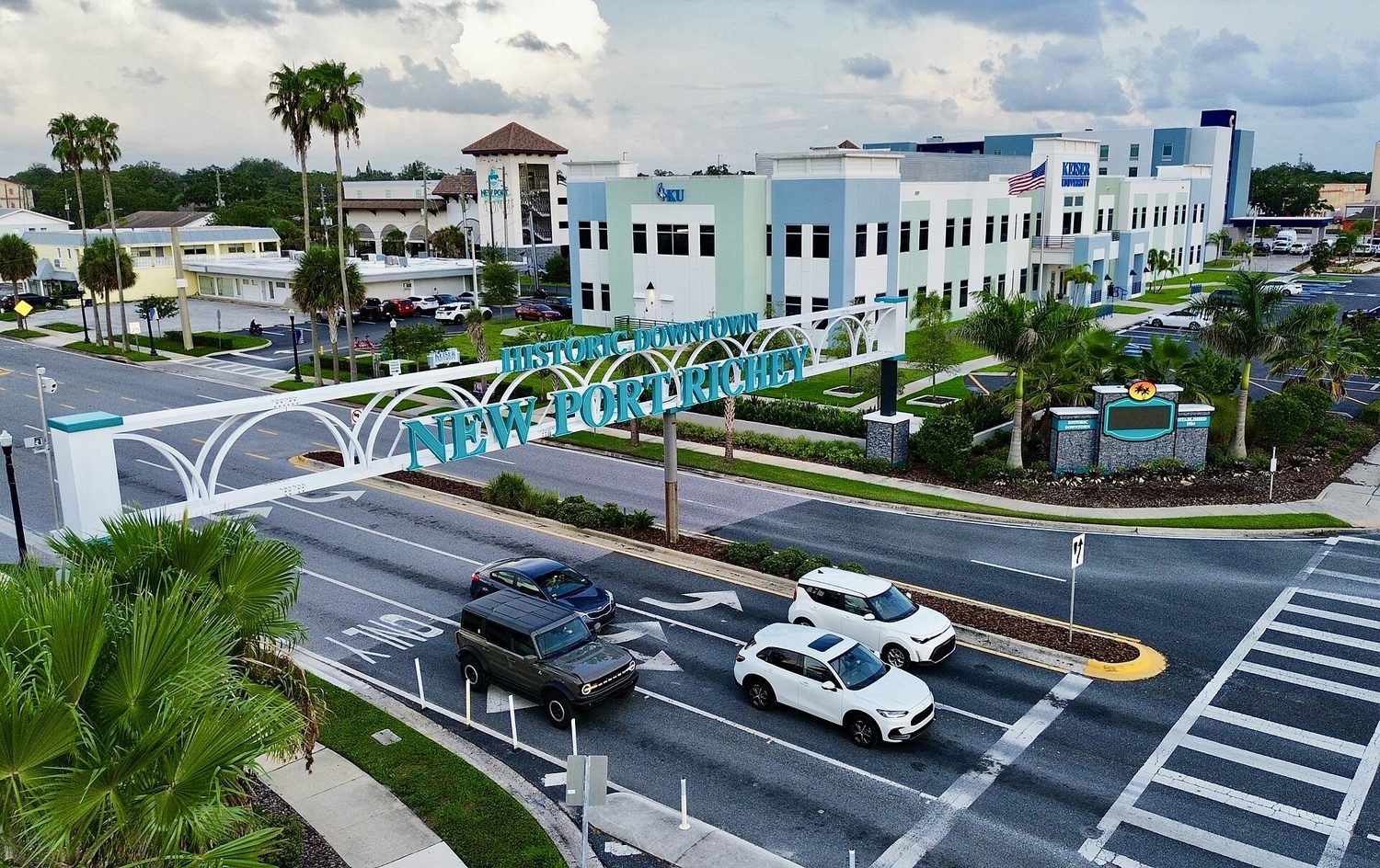
The census counts 17,057 people living here now. The median age is 53.5 years. That is not a young town, and it does not pretend to be. It is a place where people come to slow down, or where people stay because the pace already suits them. The median household income sits at $46,160, a modest figure that matches the modesty of the streetscape. No one is getting rich here, but no one is pretending otherwise.
The housing stock tells a quieter version of the same tale. There are 9,423 total housing units. Of those, 1,367 sit vacant. That is a lot of empty windows for a town of this size, a reminder that the boom that built the place did not stick around to fill it. But 718 units are held for seasonal or recreational use. That is not nothing. It suggests that even now, people want a piece of the river, even if only for a few weeks a year.
The median home value is $164,600. The median gross rent is $1,154. Those are numbers that say: you can still afford to live here, if you are not picky. The unemployment rate is 2.8 percent, which is enviable on paper, though it reflects a workforce that is older and smaller than most. Only 15.7 percent of residents hold a bachelor's degree or higher. That is a statistic that would have disappointed the town's founders, who had grander ideas about who would walk these sidewalks.
Here is the part the census cannot measure. New Port Richey rode the 1920s Florida land boom hard. It courted wealthy residents and film people, and for a few years it meant to be a Hollywood colony. The silent-film star Thomas Meighan built a house on the river in 1928 and wintered here. A theatre named for him opened in 1926. The ambition was real. The charm is that it failed.
The boom's collapse ended the ambition. The film people did not stay. The wealthy did not either. What remained was a town with a theatre that carried a movie star's name and a park that carried a donor's name, and a river that kept flowing past all of it. The census numbers are the residue of that letdown. They are not tragic. They are just honest.
Sims Park is still there, accepted by the city council on 2 December 1924, named for the man who gave it. It is the kind of civic gesture that matters more in retrospect than it did at the moment. The theatre, too, remains a marker of what was intended. These are not businesses. They are artifacts of a specific, brief confidence.
The vacancy rate is the most telling figure. 1,367 empty units in a town of 17,057 people. That is not abandonment; it is aftermath. The land boom built more than the town could ever fill, and the collapse left a surplus of possibility that no one has quite known what to do with. Seasonal units help. Snowbirds and river rats keep the lights on in a few of those houses. But the gap between the built and the lived-in is the whole story in one number.
The median age of 53.5 years fits the same pattern. This is not a town recruiting young families with promises of tech jobs and craft breweries. It is a town that offers a slower arithmetic: a $1,154 rent, a $164,600 home, a river out back. The low unemployment rate is a function of that older population; many are retired, many are not looking, and the ones who work tend to keep working.
What the census does not say is that the town's founding gesture was a park, not a factory or a railroad. The first act of the new council was to accept a gift of green space. That tells you what the place valued before the boom inflated it and the bust deflated it. The Hollywood dream was the exception, not the rule. The rule was a park by the water.
New Port Richey is not a hidden gem. It is not a secret. It is a town that aimed high, missed, and settled into a comfortable, unglamorous life. The numbers say so. The vacancy rate says so. The median income says so. But the river is still there, and the park is still there, and the theatre name still hangs on. The ambition is the charm. The failure is the character.
Every business named above is one we hold a listing for, and every date traces to a source on our sources page. We do not describe menus, interiors or service we have not verified. Details change — confirm before you travel.